
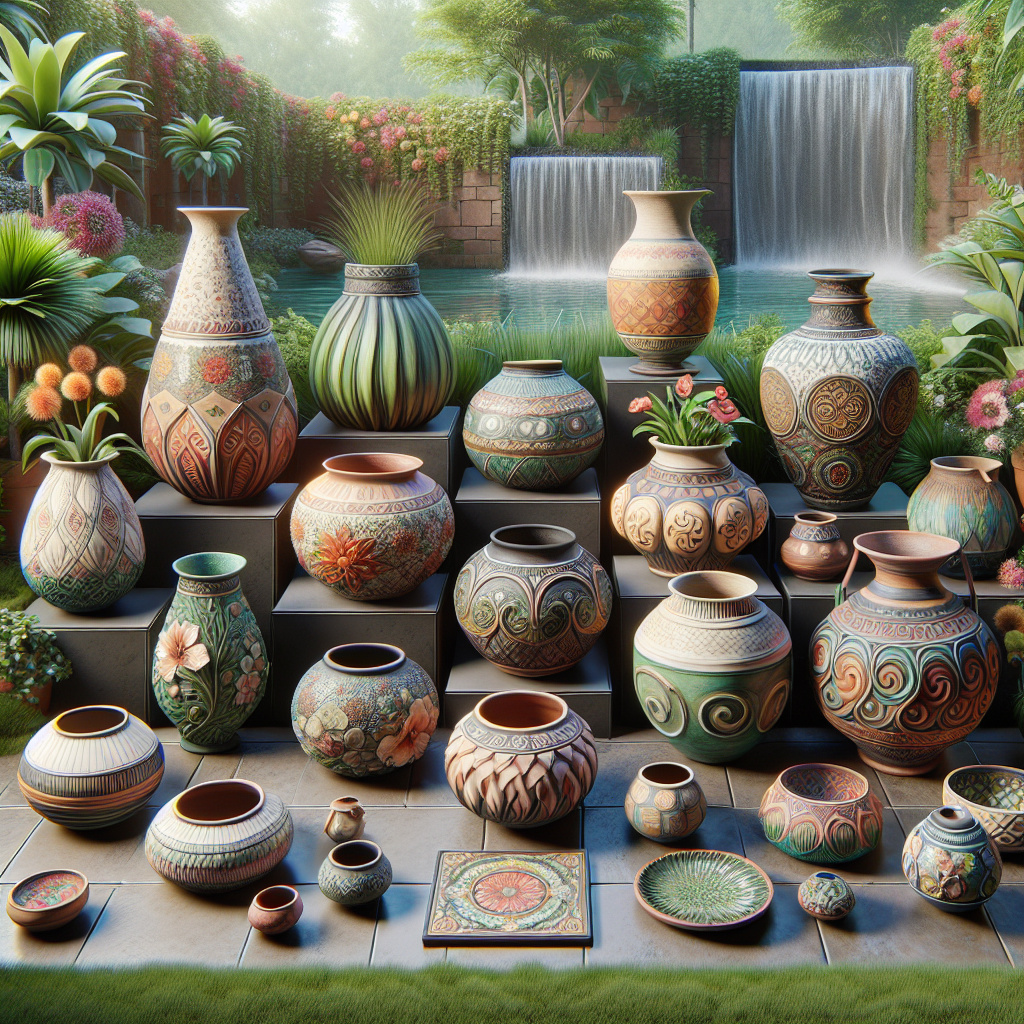
Gardens are beautiful places that provide peace, relaxation, and a feeling of accomplishment. They can also serve as canvases for creative expression. One way to enhance the aesthetics of your garden is through pottery. This article will explore various pottery ideas for the garden, transforming your outdoor space into a vibrant sanctuary filled with artistic and functional elements. We’ll delve into questions often asked by gardening enthusiasts, provide helpful tips, and inspire you to get started.
Why Use Pottery in the Garden?
Before we jump into specific ideas, it’s essential to understand why using pottery in your garden can be beneficial:
-
Aesthetic Appeal: Pottery can add color, texture, and style, enhancing the overall beauty of your garden. Moreover, unique designs can serve as focal points that catch the eye.
-
Versatility: Pottery comes in various shapes, sizes, and colors, allowing you to create diverse arrangements. Whether you prefer traditional terracotta pots or modern ceramic designs, there’s something for everyone.
-
Mobility: Unlike fixed garden features, pottery can be placed and rearranged easily, enabling you to adapt your garden layout without much hassle.
-
Plant Health: Quality pots can promote healthy plant growth, allowing for better drainage and airflow to the roots.
-
Sustainability: Many pottery options are eco-friendly, especially when sourced from local artisans who create sustainable materials.
Now that we’ve established why pottery can be beneficial for your garden, let’s explore some exciting ideas.
1. Container Gardening
Question: What is container gardening?
Container gardening is the practice of growing plants in pots or other containers instead of traditional garden beds. This technique is perfect for those with limited space, such as apartment dwellers or individuals with small yards.
Tips for Container Gardening:
-
Choose the Right Pots: Ensure your containers are made of durable materials that can withstand weather changes. Terracotta, ceramic, and even fiberglass are excellent options.
-
Select Appropriate Plants: Consider the amount of sunlight your containers will receive and choose plants that will thrive in those conditions. Herbs, vegetables, and flowers work well in containers.
-
Soil Considerations: Utilize high-quality potting soil mixed with organic matter for better drainage and nutrient retention.
Example: Imagine cascading petunias spilling over the sides of a vibrant ceramic pot, creating an enchanting visual effect. Or picture a mini herb garden, with basil, rosemary, and thyme growing in matching terracotta pots lining your patio.
2. Garden Sculptures
Question: Can pottery be used for decorative sculptures?
Absolutely! Pottery can be transformed into stunning garden sculptures that serve as art pieces while still celebrating nature.
Ideas for Pottery Sculptures:
-
Abstract Forms: Use fired clay to create abstract shapes that mimic natural elements, such as waves or mountains.
-
Functional Art: Combine beauty with function by creating birdbaths or planters sculpted into artistic forms.
-
Cultural Inspirations: Draw inspiration from ancient cultures by crafting pottery that echoes traditional designs, such as Greek amphorae or Mayan ceremonial vessels.
Example: Imagine a large, abstract figure standing proudly in your garden, inviting admiration from visitors and serving as a conversation starter.
3. Plant Markers
Question: How can pottery be used for plant markers?
Pottery can be an elegant and long-lasting option for plant markers, helping you identify your herbs, vegetables, or flowers while adding artistic flair to your garden.
Crafting Pottery Plant Markers:
-
Create shapes: Roll out thin slabs of clay and cut them into shapes such as leaves, flowers, or simple rectangles.
-
Personalize: Use a pottery stamp, carving tool, or paint to add the names of the plants on the markers.
-
Fire and Glaze: After shaping and letting them dry, fire the markers in a kiln, then apply a food-safe glaze to protect them from the elements.
Example: Picture charming clay markers in shapes of tiny carrots and tomatoes alongside your garden, ensuring you never forget what you’ve planted.
4. Water Features
Question: How can pottery enhance water features in a garden?
Using pottery to create water features can add a tranquil element to your outdoor space. Water fountains made from ceramic or stoneware pottery can create a soothing ambiance.
Pottery Water Feature Ideas:
-
Mini Fountains: Small pots can be used to create tabletop fountains. A simple water pump can circulate water, allowing it to cascade over the pottery.
-
Birdbaths: Large ceramic dishes can function beautifully as birdbaths, attracting local wildlife while serving as a stunning focal point.
-
Planters with Water Reservoirs: Consider pots with built-in saucers or water reservoirs that help in self-irrigation while maintaining the aesthetic appeal.
Example: Envision a rustic pottery fountain nestled among lush greenery, the sound of gently flowing water enhancing your garden’s tranquility.
5. Vertical Gardens
Question: What are vertical gardens, and how can pottery be integrated?
Vertical gardens utilize wall space or vertical structure to grow plants and are perfect for small gardens or areas with limited ground space. Pottery can be used effectively in creating multi-level plant displays.
How to Incorporate Pottery into Vertical Gardens:
-
Hanging Pots: Use macramé hangers or wall hooks to display pots at different heights, creating dynamic layers of greenery.
-
Wall-Mounted Planters: Attach shallow pottery containers to a fence or wall for an artistic and functional plant display.
-
Pallet Gardens: Repurpose wooden pallets by attaching pots directly to them for a rustic vertical garden effect.
Example: A wall draped with colorful hanging pots of ferns and succulents can create a living artwork that elevates your garden to new heights.
6. Pathway Decorations
Question: How can pottery be used to enhance garden pathways?
Using pottery for pathway decorations adds personality and charm, guiding visitors through your outdoor space.
Creative Ideas for Pathway Pottery:
-
Step Stones: Create unique stepping stones with clay, either imprinted with designs or painted with bright colors.
-
Borders: Use small pottery pieces or shards to line pathways, creating interesting borders that highlight your garden design.
-
Pillar Planters: Large pots can serve as pillars on either side of a pathway, while smaller pots can create a whimsical path leading through the garden.
Example: Imagine a pathway lined with brightly colored pottery pieces, leading visitors through a wonderland of flowers and plants.
7. Naturalistic Gardens
Question: What is a naturalistic garden, and how can pottery fit in?
Naturalistic gardens mimic nature and utilize native plants and organic shapes. Pottery can blend seamlessly into this theme, complementing the garden’s organic feel.
Ways to Use Pottery in Naturalistic Gardens:
-
Earth-toned ceramics: Choose pottery that mirrors natural colors, such as browns, greens, and tans.
-
Organic shapes: Select pots with irregular shapes that mimic natural forms, making them feel at home in a natural setting.
-
Interspersed Arrangements: Combine pots with plants in a way that looks unplanned and organic, as if they naturally emerged from the landscape.
Example: Picture a terracotta pot nestled among wildflowers, creating a harmonious relationship between the garden’s cultivated and wild elements.
8. Seasonal Displays
Question: How do pottery decorations change with the seasons?
Using pottery for seasonal displays can keep your garden looking fresh and exciting throughout the year.
Seasonal Ideas:
-
Spring: Fill bright ceramic pots with colorful annuals for a cheerful welcome after winter.
-
Summer: Use large clay pots to create a tropical oasis, planting tall sunflowers or exotic bromeliads.
-
Fall: Transition your pottery displays to reflect autumn’s hues by filling pots with hardy chrysanthemums, ornamental kale, or even small pumpkins.
-
Winter: Use ceramic bowls filled with evergreen sprigs and pine cones to evoke a sense of warmth during colder months.
Example: A series of pots filled with seasonal blooms creates a captivating visual narrative that evolves, reflecting the beauty of each season.
9. Pottery Workshops and DIY Projects
Question: Can I create my own pottery for the garden?
Certainly! Engaging in ceramic art yourself can be a fulfilling experience, enriching your garden’s aesthetic while adding a personal touch.
Getting Started with Pottery:
-
Join a local pottery class: Many community centers offer workshops for beginners, allowing you to learn the fundamentals and create your own pieces.
-
DIY Kits: Consider purchasing a DIY pottery kit to get started, allowing you to experiment at home easily.
-
Online Resources: Many resources and videos are available online to guide you through the pottery-making process, from handbuilding to wheel-throwing techniques.
Example: Visualize the pride you’ll feel when you create a one-of-a-kind planter adorned with your unique design, showcasing your artistic journey.
Conclusion
Pottery opens up a world of endless possibilities for your garden, enhancing beauty, functionality, and personal expression. From container gardening to decorative sculptures and seasonal displays, incorporating pottery can elevate your outdoor sanctuary.
Key Takeaways:
-
Embrace Creativity: Utilize various pottery pieces in your garden to express your unique style and enhance your landscaping.
-
Consider Plant Health: Ensure the choices you make not only beautify but also contribute positively to the wellbeing of your plants.
-
Engage With Community: Consider learning pottery through local workshops or classes, allowing you to build skills while connecting with like-minded individuals.
As you embark on your journey into the enchanting world of garden pottery, remember that your imagination is your only limit. Explore, create, and let your garden flourish with the charm of pottery. Happy gardening!