
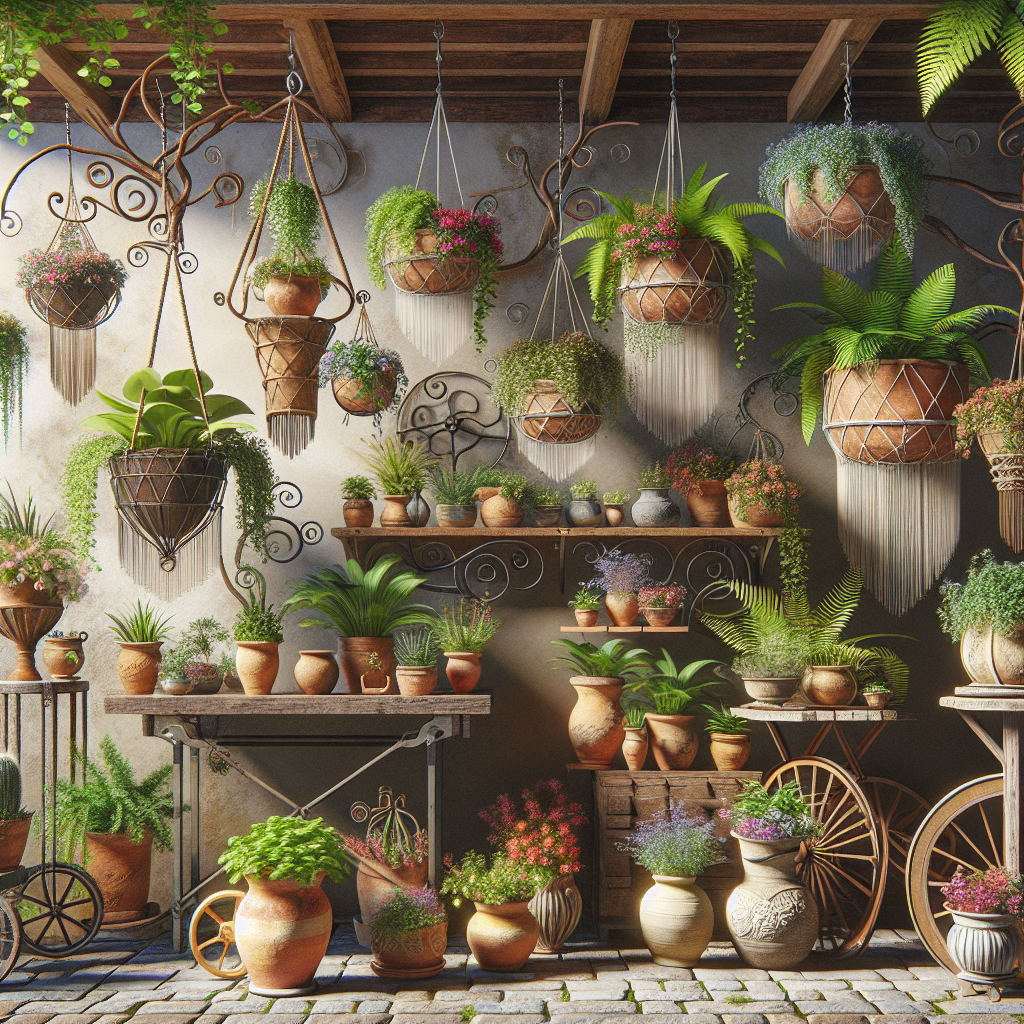
Plant pots serve as vessels of beauty, nurturing our beloved flora, but did you know that the way you position these pots can significantly influence your garden’s aesthetic, health, and functionality? Elevating plant pots off the ground has benefits that go beyond mere aesthetics. This comprehensive guide delves into various methods of raising your plant pots, the benefits of these techniques, and answers the most frequently asked questions about this practice.
Why Raise Your Plant Pots?
Aesthetic Appeal
One of the most immediate benefits of elevating plant pots is the enhancement of visual interest within a garden or indoor space. Raised pots create layers, adding depth and dimension. When pots are staggered at different heights, they become striking focal points, transforming your space into a dynamic tableau.
Improved Drainage
Standing pots may reduce drainage as the soil stays in constant contact with wet ground, particularly after watering or rainfall. By elevating the pots, you create a space for excess water to escape, minimizing the risk of waterlogging and root rot.
Pest Deterrence
Elevated plants are less accessible to many pests, including slugs and snails, which prefer a crawling surface. Raising your pots can help keep your plants healthier and more vibrant by making them less appealing as a habitat for unwanted critters.
Enhanced Air Circulation
Proper airflow encourages healthy plant growth by reducing the likelihood of fungal infections. When pots are elevated, they allow for greater air circulation around the base of the plant, which can significantly enhance growth.
Increased Accessibility
Raising plant pots can make gardening tasks, such as watering, weeding, and harvesting, easier on your back. This is particularly beneficial for those with limited mobility or for elderly gardeners who may struggle with bending down.
Ideas for Raising Plant Pots
1. Use Plant Stands
What are Plant Stands?
Plant stands come in various styles, sizes, and materials ranging from wood to metal. They are specifically designed to hold plant pots and can help elevate them off the ground.
Benefits:
- Versatility: Available in various designs, they can suit the aesthetic of any garden or home decor.
- Stability: Quality stands can provide a sturdy base, preventing accidental tipping.
Where to Find: Garden centers, home improvement stores, and online retailers often have a wide range of options.
2. DIY Ladder Planter
What is a Ladder Planter?
Using an old wooden ladder can be a creative way to raise pots. Lean the ladder against a wall and place pots on the rungs.
Benefits:
- Budget-Friendly: Repurposing old items saves money while offering a charming rustic look.
- Unique Design: It adds a touch of whimsy and creativity to your garden.
Construction: Ensure that the ladder is sturdy and secure before using it. You may also want to paint or treat the wood for longevity.
3. Concrete Blocks or Bricks
What Are They?
Concrete blocks or bricks can be used to create a sturdy platform for pots. Arrange them in various configurations to add height and style.
Why Use Them?
- Durability: Concrete and bricks are weather-resistant and long-lasting.
- Customization: The arrangement can be tailored to suit any space or design preference.
Tip: Stack blocks with some space between them to allow for further drainage.
4. Hanging Baskets
What Are Hanging Baskets?
Hanging baskets are crafted from woven materials or faux baskets that hold soil and plants, suspended from a hook or bracket.
Benefits:
- Saves Space: Ideal for patios or balconies with limited surface area.
- Increases Visibility: Allows plants to be seen from higher vantage points, increasing their impact.
Considerations: Ensure that the plants chosen for hanging are appropriate for the amount of light the spot receives.
5. Cinder Block Planters
How Do They Work?
Cinder blocks are hollow and stackable blocks that can also be used to create elevated planting areas. By placing cinder blocks upright and stacking them, you can design a multi-level planter.
Advantages:
- Strong Structure: These blocks are heavy-duty and can hold larger pots.
- Plant Variety: Different sized compartments can host various plant types.
6. Table or Bench
What Kind of Tables or Benches?
A sturdy table or bench can be an excellent option for elevating pots.
Benefits:
- Optimal Height: A table can be set at a comfortable height for easy access.
- Multi-functional: These surfaces can serve as a workspace or a platform for pots simultaneously.
Best Practices: Choose a table or bench that can withstand outdoor conditions, such as those made from treated wood or metal.
7. Wooden Pallets
What Are Wooden Pallets?
Used widely in shipping, wooden pallets can be easily repurposed into raised garden beds or plant stands.
Why Are They Beneficial?
- Cost-Effective: Often free or inexpensive through local businesses.
- Eco-Friendly: Repurposing existing materials contributes to sustainability.
Construction: Lay the pallet flat and either keep it as-is for a relaxed, rustic look or paint it to match your style.
8. Fishing Rod Holder
How Does It Work?
By using a fishing rod holder, you can achieve an interesting and functional way of raising plant pots. Simply insert the holders into the ground and place your pots cushioned in them.
Advantages:
- Novelty: This approach showcases your plants in a unique manner.
- Adjustability: Height can easily be changed according to preference.
9. Vintage Furniture
What to Repurpose?
Consider turning an old side table, dresser, or bookshelf into a planter holder.
Benefits:
- Aesthetic Enhancement: Vintage furniture can add character and charm to your space.
- Creative Expression: This method allows for a personal touch, as you can paint or refurbish the furniture according to your style.
10. Tiered Plant Stand
What Is a Tiered Plant Stand?
These stands are designed with multiple levels to hold several pots at varying heights.
Why Choose Them?
- Maximizes Space: Perfect for smaller areas where horizontal space is limited.
- Visual Interest: Adds layers and depth to your gardening display.
Frequently Asked Questions
What Are the Best Materials for Raising Plant Pots?
Consider the Environment: Choose weather-resistant materials like metal, treated wood, ceramic, or plastic. Avoid untreated wood or materials that may rot or rust quickly.
How High Should I Raise My Plant Pots?
Consider Accessibility: Generally, aim for a height that is comfortable for you to water and maintain the plants. A height of 24-36 inches for accessible gardening and 18-24 inches for aesthetic appeal are commonly recommended.
How Can I Craft My Own Plant Stands?
DIY Ideas: You can use pallets, cinder blocks, or sturdy crates to create your stands. Just ensure they provide adequate support and drainage.
Are There Specific Plants That Benefit from Being Elevated?
Absolutely: Most flowering plants and herbs enjoy better drainage and airflow when elevated. However, consider individual plant needs—some link soil health directly to the pot’s height.
How Can I Ensure Proper Drainage for Elevated Pots?
Use Pot Feet: Adding clay pot feet or small rocks under pots can create space for water to drain away. Also, whenever possible, select pots with drainage holes for optimal health.
What Are Some Creative Ideas for Decorating Elevated Pots?
Explore Textures: Use ropes, twine, or fabric to wrap around the pots, or paint them in bold colors to make a statute-like appearance. Consider adding ornamental stones or succulents on top.
Can I Grow Edible Plants in Elevated Pots?
Of Course: Herbs, salad greens, and even tomatoes can thrive in elevated pots. Just ensure they have enough sunlight and nutrients.
Conclusion
Raising plant pots off the ground can take your gardening endeavors to new heights—literally and figuratively! From enhancing aesthetics to improving plant health, the advantages are numerous and varied. By exploring the myriad of creative and functional techniques discussed here, you can turn simple plant pots into captivating features that elevate both your garden and your spirits.
Whether you’re looking for a striking conversation starter or a practical solution to gardening challenges, these ideas can cater to your needs. Remember, gardening is not just about cultivating plants; it’s also about creating a reflection of your unique personality and style. So choose a few methods that resonate with you, get creative, and let your plants shine in their elevated glory!